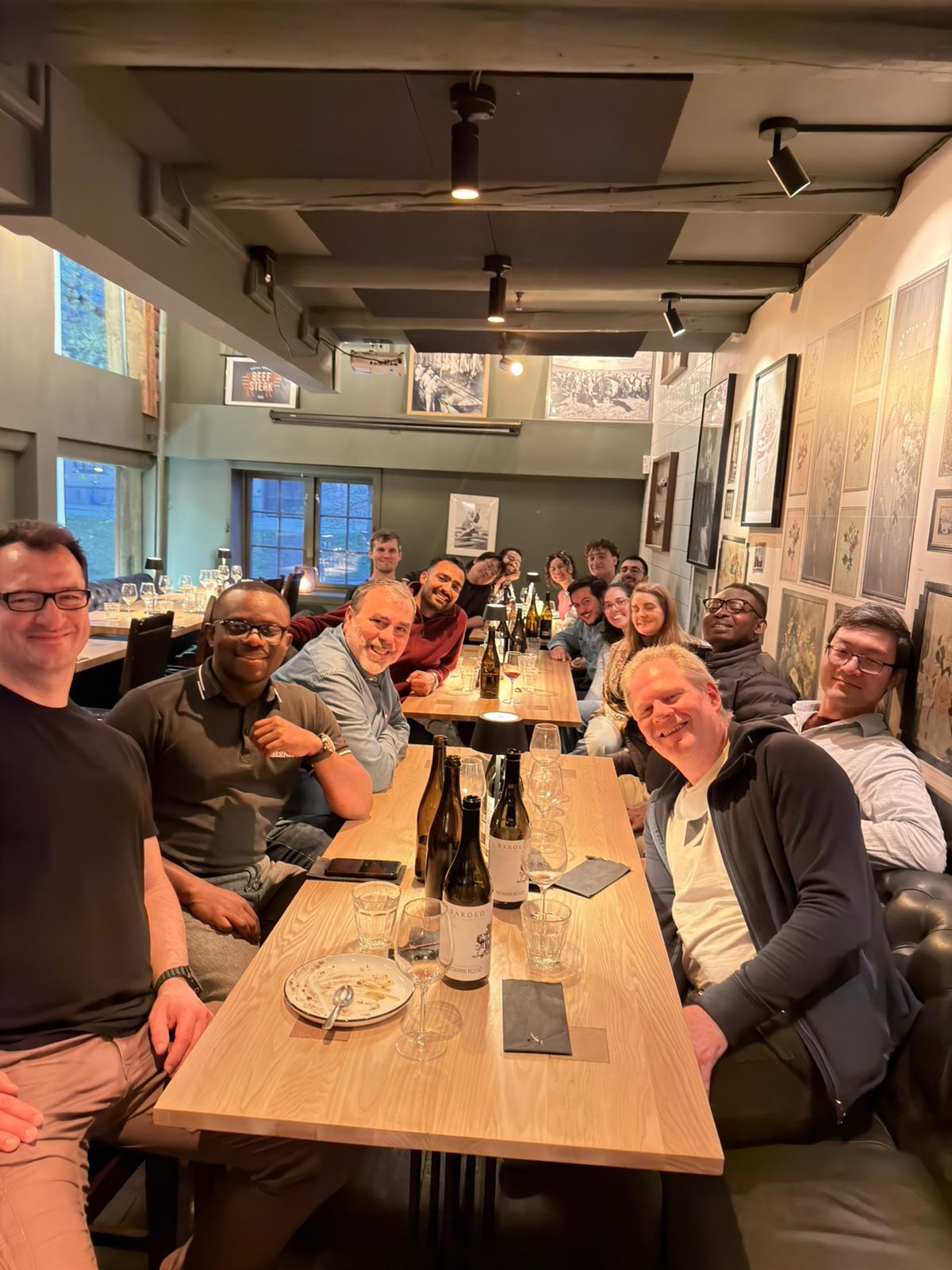
This week, the TWEED project moved its focus to Trondheim, Norway. While our core mission is the technical digitalisation of wind energy, our 12 Doctoral Candidates (DCs) have been immersing themselves in something equally vital: Transferable Skills.
Hosted by NTNU, this 3rd Specialised Course focused on communication, ethics, and IPR management. It’s a reminder that a PhD in a Marie Skłodowska-Curie Action (MSCA) is not just about the thesis; it’s about becoming a well-rounded professional capable of leading the European green transition. Seeing the synergy between researchers from across the consortium—from Zaragoza to Lyngby and Munich—reaffirms the value of these international networks.
From a management perspective at UNIZAR, I’ve observed that these “soft” modules are often the “glue” of the project.
-
A Peer-to-Peer Tip: Don’t treat training milestones as mere administrative checkboxes for the Progress Report. When we invest in the DCs’ ability to communicate and collaborate, we are actually reducing future “administrative friction.” A cohesive team resolves conflicts and shares data much more efficiently. It’s about building a culture, not just a consortium.
Digitalising the wind sector requires more than just code; it requires experts who can translate complex data into actionable insights for policymakers and industry leaders. By sharpening these skills today, our researchers are ensuring that TWEED’s scientific outputs will have a lasting societal impact.
For those managing or participating in Doctoral Networks, I highly recommend the MSCA Guidelines on Supervision. It’s an excellent framework for fostering a professional and supportive research environment.
#MSCA #HorizonEurope #WindEnergy #ProjectManagement #ResearchImpact #TWEEDproject #MCAA