
Wind energy is a multidisciplinary field; it requires a wide range of expertise to address the challenges of designing, constructing, operating, and dismantling wind farms. And it is no understatement to say that wind energy experts are continuously learning and pushing the boundaries of the largest rotating machines that are operating around the world.
In fact, that diversity of fields of expertise is also reflected in the different skills that TWEED’s doctoral candidates possess, which are also applied in the work packages and respective individual doctoral projects.
In my case, my research focuses on one of the very first steps of developing a wind farm, making sure that the wind flow at a given site is “good enough” to build the project.
But what exactly does “good enough” mean in the context of developing a wind farm project?
The answer is not straightforward most of the time, as each project has different characteristics. Therefore, to guarantee the best possible decisions are made during the early stages of project development, a combination of technical and, no less important, economic aspects is required.
Moreover, estimating the wind flow correctly allows an accurate characterisation of the wind resource available at the project site.
This translates into being able to decide the design characteristics of the wind turbines and their support structures (particularly important for offshore wind farms). But this is not the only aspect that is impacted by how certain the wind resource characterisation is, as it also determines, given the wind farm layout and operational characteristics of the wind turbine, the expected energy production and the associated revenue.
In summary, getting to know the wind characteristics at the project site cascades down to many important design decisions.
Following TWEED’s aim to implement digitalisation in wind energy, my research project explores the possibility of using new, machine-learning-based methodologies for wind resource assessment, looking at better, more resource-efficient ways to characterise it while providing a reliable prediction.
The goal of the project is to translate these methodologies into a more cost-effective workflow that enables faster wind farm design, regardless of site conditions. I also see it as an opportunity to validate data-driven methods applied to wind energy.
Before I got involved in this project, I did my BSc in Renewable Energy Engineering at the National Autonomous University of Mexico, followed by my MSc in Wind Energy Engineering at the Technical University of Denmark. I also had the opportunity to work for Ramboll Germany as a Wind and Site consultant, a role that involved diverse tasks related to wind farm development, such as wind resource assessment, layout design, energy yield assessment, and site conditions assessment. My passion for wind energy grew over time as I got involved in wind farm projects (both onshore and offshore) located in different regions around the world, all of them with their specific challenges, which also contributed to increasing my curiosity in the topic.
I consider myself lucky to work on and investigate one of the topics that I not only find very interesting but also contributes to a greener future in which the transition to renewable energy sources is a reality.
Over the next few years, I will be working at TU Delft while collaborating with other TWEED partners, and I expect to make an impact on future wind resource assessment methodologies.
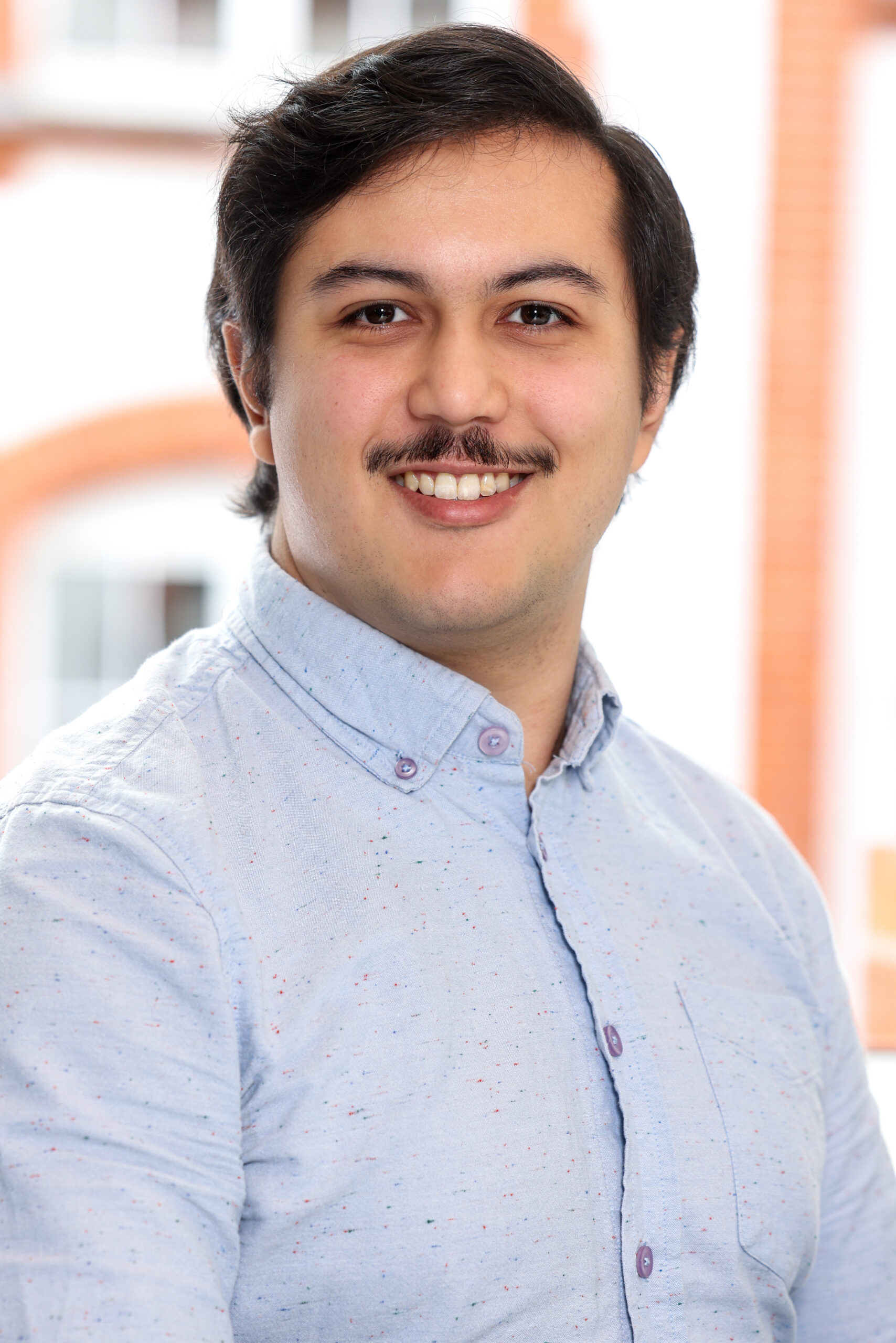
Carlos Morales
Doctoral Candidate 2
PhD candidate at TU Delft | MSc in Wind Energy | Renewable Energy Engineer | Wind Resource Assessment | Data Analysis | Machine Learning
This article is part of the “TWEED Researcher Stories” series, highlighting the doctoral researchers shaping the digital future of wind energy within the Marie Skłodowska-Curie Doctoral Network TWEED.