
I arrived from Iran with a strong passion for Wind Energy.
From the moment I first studied Turbomachines during my bachelor’s degree, I was captivated by wind turbines, their elegance, their complexity, and the challenge of making them more reliable. It truly is a feat of engineering!! Upon finishing my bachelor’s degree, my passion drove me to learn more about wind energy.
I enrolled in online courses to expand my knowledge and worked hard to be accepted into one of the most prestigious Iranian universities, Tarbiat Modares University, to pursue my master’s degree in Renewable Energy Engineering. During my master’s, I dedicated myself to research.
I focused on optimising vertical axis wind turbines, combining computational fluid dynamics with machine learning, and exploring data-driven optimisation techniques like Auto ML-GA.
My dedication paid off!! I graduated as the first-ranked student with a GPA of 18.86 out of 20, and published three research papers. To deepen my knowledge, I pursued online courses in the prestigious universities within this field, further fueling my curiosity and expertise.
My thirst for knowledge remained even after earning my master’s, because it felt like only a drop from the vast sea of wind energy knowledge. I have always been passionate about applying machine learning techniques in this field.
A passion perhaps inspired by the crossroads I faced before starting my bachelor’s, when I found myself torn between mechanical engineering and computer engineering. I ended up in a field that perfectly combined both.
Now, my passion for wind energy brought me to a city surrounded by wind turbines and to the prestigious TWEED project, where world-leading professionals and researchers share a common enthusiasm for wind energy.
As a DC8 fellow in the TWEED project at the University of Zaragoza, I work on predictive maintenance of wind turbines, using explainable machine learning to anticipate failures and optimise wind farm operations.
Learning from Prof. Julio Melero and collaborating with TU Delft and ANNEA, I am integrating my experience, current research, and long-term goals to enhance the reliability and sustainability of wind energy.
In the end, I am Hamidreza Mirzaeian, a researcher driven by curiosity, resilience, and the ambition to make wind energy cleaner and more reliable.
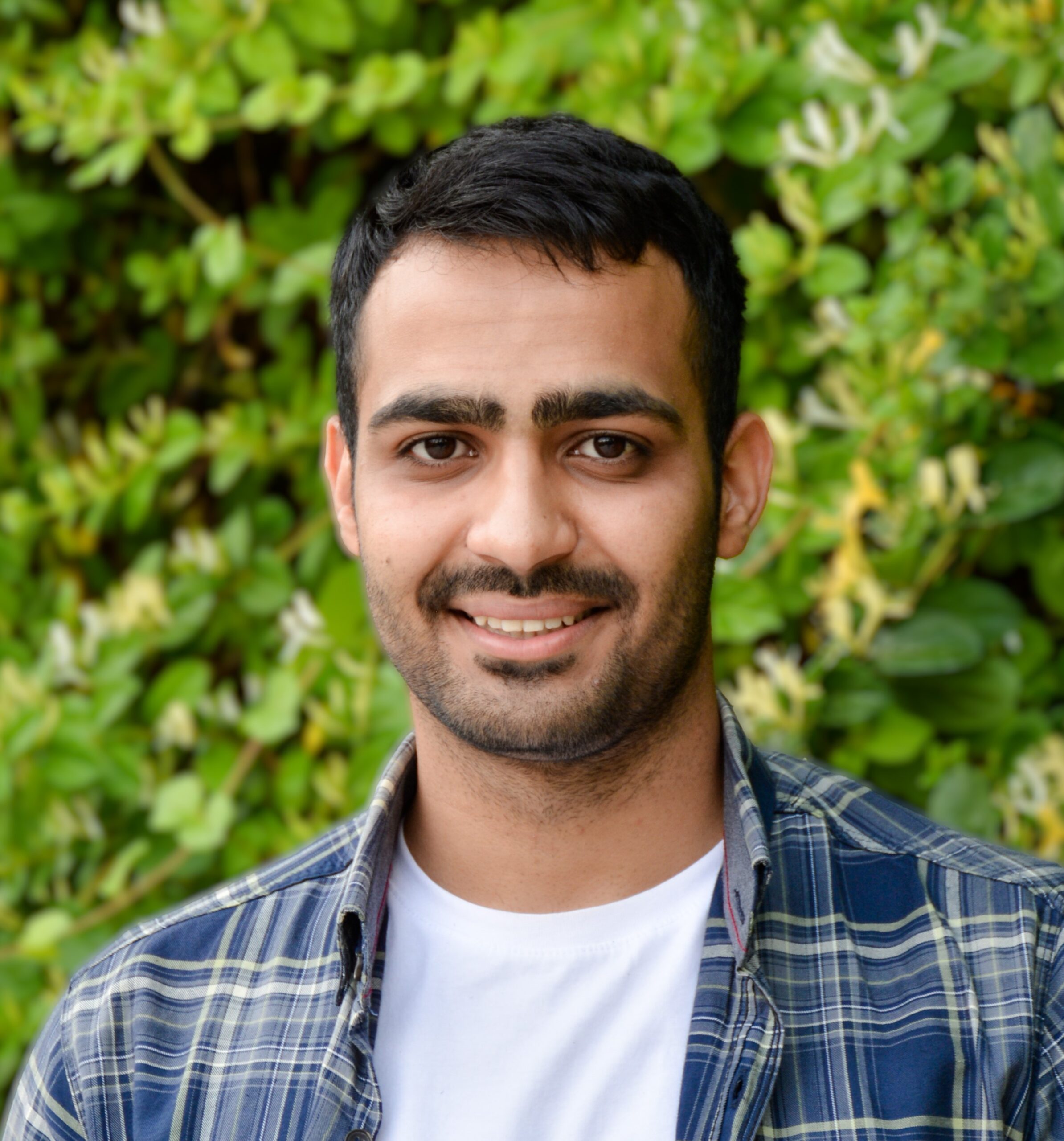
Hamidreza Mirzaiean
DC 8